Top mixologists from 50 Best Discovery bars in Chile, Colombia, and Peru reunite at Officina Milan for a one-night-only culinary and premium rum pairing.
MILAN, Oct. 9, 2026 /PRNewswire/ -- Flor de Caña, the world's leading sustainably crafted premium rum, invites cocktail aficionados and gastronomy enthusiasts in Milan to "South America Takeover Milan." Taking place on October 8th at 6:00 PM at the iconic bar Officina (Via Giovenale 7), this exclusive event promises an immersive sensory journey celebrating the vibrant flavors, rich culture, and mixology of South America.
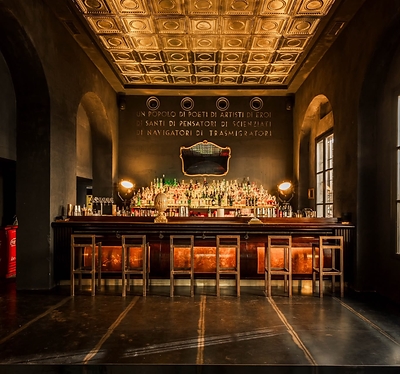
Sponsored by Trussoni Bevande and Distillerie Branca and co-hosted by Flor de Caña Brand Ambassadors Debora Tarozzo (Italy) and Karen Álvarez (South America), the event will feature an exceptional lineup of guest mixologists from two venues showcased on The World's 50 Best Discovery list:
Throughout the night, guests will experience an exquisite fusion of South American flavors and sustainable mixology with Flor de Caña. In collaboration with Mauri Alberca, Chef at Officina, Karen Álvarez (Peru) will present Peruvian-inspired appetizers seamlessly paired with handcrafted cocktails, while the other guest mixologists will bring the distinct culinary and cocktail traditions of Chile and Colombia to the glass and plate.
Beyond its rich flavors, the takeover will highlight the unmatched quality and versatility of Flor de Caña rums. Dating back to 1890, Flor de Caña is naturally aged without sugar or artificial ingredients at the base of an active volcano and stands as a global leader in sustainability—being Carbon Neutral certified and distilled with 100% renewable energy.
"We are thrilled to bring the spirit, passion, and flavor of South America to a world capital of style like Milan," said Karen Álvarez. "This evening is a celebration of our shared values, bringing together world-class bartending talent to show how Flor de Caña elevates every cocktail paired with authentic Latin gastronomy."
Contact:
corporatecommunications@flordecana.com
 View original content to download multimedia:https://www.prnewswire.co.uk/news-releases/flor-de-cana-brings-the-spirit-and-flavors-of-south-america-to-milan-in-an-exclusive-cocktail-takeover-302903553.html

Roche versucht nach einer Phase von Forschungsrückschlägen und Belastungen durch auslaufende Patente, das Tempo in der Medikamentenentwicklung deutlich zu erhöhen. Am Pharma-Investorentag unterstrich die Pharmasparte des Basler Konzerns den Anspruch, in Forschung und Entwicklung weiter zur Spitzengruppe zu gehören. Zentral sind dabei ein strengeres Management der Pipeline, Effizienzprogramme und der verstärkte Einsatz künstlicher Intelligenz entlang der Wertschöpfungskette.
Pharma-Chefin Teresa Graham verwies auf eine sichtbar verbesserte Bilanz seit dem letzten „Pharma Day“: In zehn zulassungsrelevanten Studien habe Roche die gesetzten Ziele erreicht, sechs Programme seien in die zulassungsrelevende Phase vorgerückt, drei weitere in Phase II. Insgesamt verfügt Roche nach eigenen Angaben über bis zu 20 neue Wirkstoffe, die bis 2030 auf den Markt kommen könnten. Einzelne Kandidaten wie das Brustkrebsmittel Giredestrant traut der Konzern dabei jeweils Spitzenumsätze im zweistelligen Milliardenbereich zu.
Um diese Ambitionen abzusichern, verschärft Roche die internen Selektionskriterien. Ende 2023 führte der Konzern mit „The Bar“ einen neuen Bewertungsrahmen für die Pipeline ein. Nur Wirkstoffkandidaten, die klar definierte Anforderungen erfüllen, werden weiterentwickelt. Medizinchef Levi Garraway bezeichnete „The Bar“ als Leitbild für Forschung und Entwicklung. Die Auswahl potenzieller Projekte sei damit spürbar strenger geworden – mit dem Ziel, Ressourcen konsequent auf die Erfolg versprechendsten Programme zu konzentrieren und die Erfolgsquote in späten Studienphasen zu stabilisieren oder weiter zu erhöhen.
Parallel dazu treibt Roche ein Effizienzprogramm voran, um Mittel aus weniger renditestarken in wachstumsstärkere Projekte umzuschichten. Die Entwicklung neuer Medikamente soll deutlich beschleunigt werden, was insbesondere in umkämpften Indikationen wie Onkologie sowie in wachstumsstarken Bereichen wie Herz-Kreislauf- und Stoffwechselerkrankungen an Bedeutung gewinnt. Damit will Roche erwartete Umsatzeinbussen durch Patentabläufe mehr als kompensieren und sich bis zum Ende des Jahrzehnts ein Portfolio aufbauen, das von mehreren potenziellen Blockbustern getragen wird.