HANGZHOU, China, Sept. 29, 2026 /PRNewswire/ -- Hikvision has announced Hik-Connect 7, a major upgrade to its cloud-based security software that introduces HIKO, an AI engine, alongside a redesigned interface.

As small businesses, households, and enterprise teams connect more devices, cameras, and access points to a single account, people have always had to adapt to security software. The information needed to answer a question is usually already sitting somewhere in the system; finding it has simply taken time, experience, and manual work.
"HIKO changes that," said Eunice Yu, Hik-Connect Product Manager, Hikvision. "Instead of asking people to learn how to operate the system, we built HIKO so the system understands what people need and finds the answer itself." Because HIKO runs in the cloud, that shift reaches Hik-Connect's existing Team Mode and Personal Mode users directly through a software update, with no separate HIKO hardware to buy or install.
Three AI upgrades for everyday security work
Hik-Connect 7 centers on three upgraded experiences: AI Guardian, AI Search, and AI Assistant. Security teams and operators need to know and respond quickly when something happens, find the right target and understand what went wrong, and keep their devices, people, and vehicles running smoothly. With HIKO built into monitoring, search, investigation, and deterrence, the software moves from simply recording events to understanding them, analyzing them, and responding proactively. Together, the three upgrades form one AI-powered security experience.
Users give a single instruction in natural language – for example, setting up visitor access for a specific vehicle – and HIKO carries out the related setup steps that would otherwise be configured one at a time.
A global rollout to all Hik-Connect users
Hik-Connect 7 is rolling out globally to both Team Mode and Personal Mode users. The update applies to the existing Hik-Connect app and portal and the devices already connected to it.
To learn more, visit the Hik-Connect page, or contact your regional Hikvision representative.
 View original content to download multimedia:https://www.prnewswire.co.uk/news-releases/hikvision-introduces-new-hiko-ai-engine-to-hik-connect-7-in-a-major-upgrade-which-simplifies-day-to-day-security-management-302893174.html

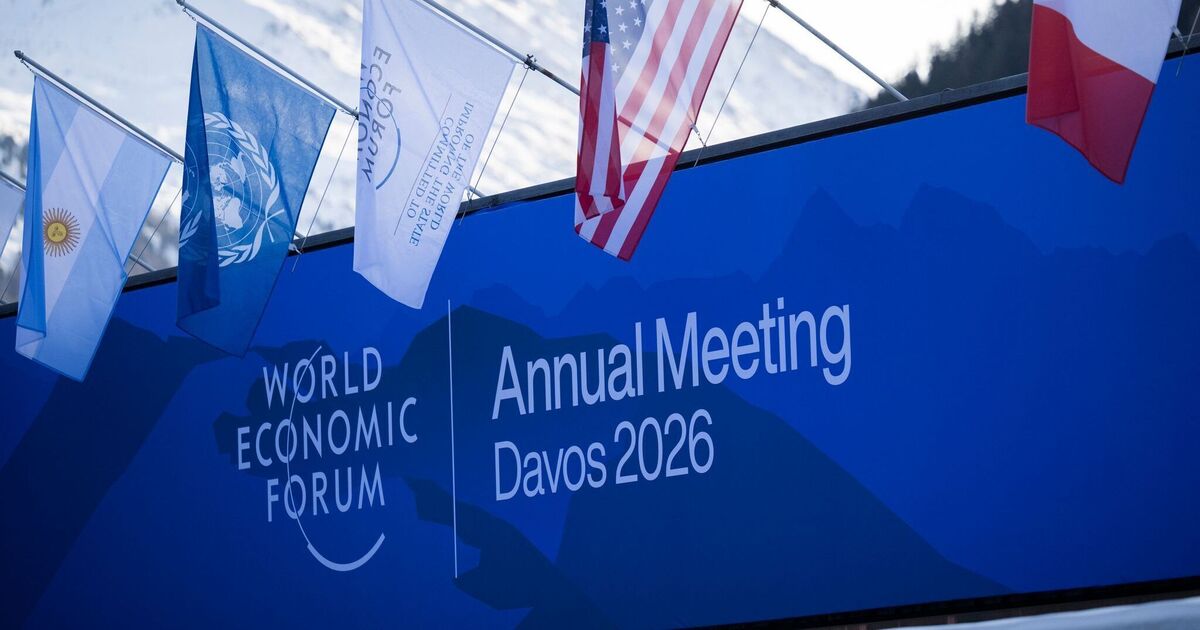
Eine anonyme E-Mail an die US-Botschaft in Bern hat kurz vor dem Auftritt von US-Präsident Donald Trump beim Weltwirtschaftsforum in Davos ein Ermittlungsverfahren der Schweizer Bundesanwaltschaft ausgelöst – und zur Festnahme einer WEF-Mitarbeiterin geführt. Inzwischen ist klar: Die gegen die IT-Expertin erhobenen Vorwürfe eines geplanten Attentats waren nicht zu belegen. Die Bundesanwaltschaft teilte mit, die in der Sache eröffneten Ermittlungen wegen strafbarer Vorbereitungshandlungen zu einem Mord seien eingestellt worden.
Die Warnmail war laut Medienberichten der Tamedia-Gruppe wenige Stunden vor Trumps Rede eingegangen. Der anonyme Absender schilderte in fehlerhaftem Englisch eine angeblich „dringliche Bedrohung“ für das Leben des US-Präsidenten in Davos und bezeichnete die später festgenommene Frau iranischer Herkunft als Agentin, die eine entsprechende Operation koordiniert habe. Die US-Botschaft leitete den Hinweis an die Schweizer Behörden weiter; diese erklärten, sie hätten die Warnung „sehr ernst“ genommen und seien „sofort aktiv“ geworden.
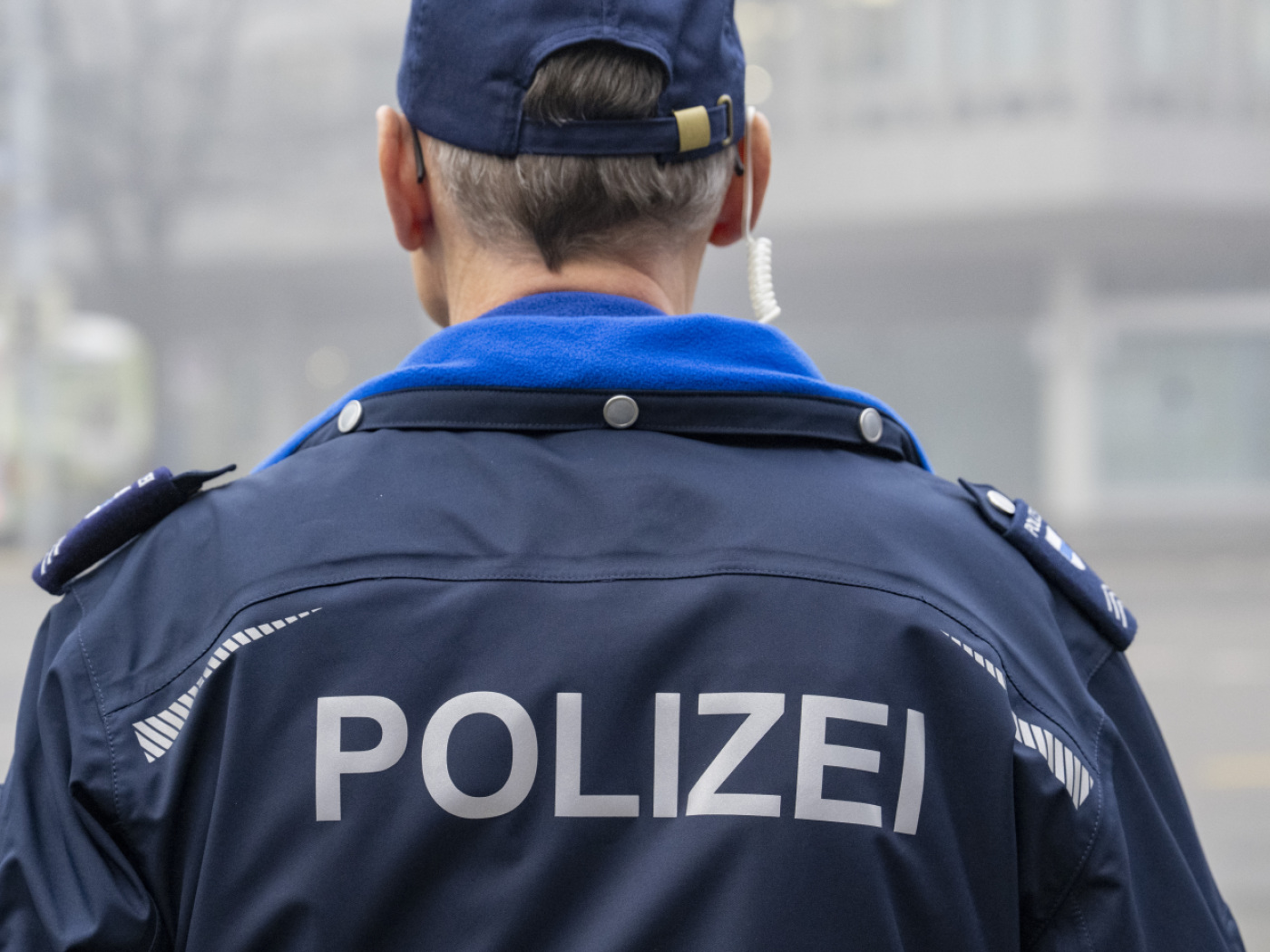
Tatsächlich arbeitete die Beschuldigte nicht am Tagungsort in Davos, sondern in der WEF-Zentrale im Genfer Vorort Cologny. Dort wurde sie nach Angaben der Bundesanwaltschaft festgenommen, mehrere Stunden lang bis tief in die Nacht vernommen und ihre Telefone sowie ihr Computer wurden beschlagnahmt und ausgewertet. Im Zuge dieser Maßnahmen habe sich jedoch gezeigt, dass sich keiner der in der anonymen E-Mail erhobenen Punkte erhärten ließ. Für alle Aspekte der Anschuldigungen seien keine Beweise gefunden worden, hieß es zur Begründung für die Einstellung des Verfahrens.
Die betroffene Mitarbeiterin, eine gebürtige Iranerin, war nach den Medienberichten kurz nach dem Vorfall beim WEF nicht mehr beschäftigt. Zu den Gründen äußerte sich die Organisation nicht; auf entsprechende Anfragen gab es zunächst keine Stellungnahme. Damit bleiben nach dem spektakulären Fehlalarm vorerst Fragen offen – etwa zur Herkunft und Glaubwürdigkeit des anonymen Hinweises –, während die Schweizer Strafverfolger den Fall strafrechtlich abgeschlossen haben.