MUNICH, July 7, 2026 /PRNewswire/ -- At Intersolar / ees Europe 2026, the company showcased its comprehensive energy storage portfolio and introduced a new generation of storage solutions that maximize long-term asset performance, grid resilience, and lifecycle value for utility-scale and commercial energy storage projects.
The exhibition marked the European debut of the 432 kW String PCS for Integrated ESS, alongside the 400 kW String PCS, 1.725 MW and 2.5 MW Centralized PCS, and Turnkey Stations with Transformer Integrated from 3.45 MW to 12.5 MW, providing a complete portfolio for utility-scale storage, renewable-plus-storage, and grid-side applications.
The 432 kW String PCS for Integrated ESS is designed to maximize system flexibility, reliability, and operational efficiency. It supports 2-, 4-, and 8-hour energy storage configurations, is compatible with multiple battery cell formats, and offers flexible horizontal or vertical installation for both utility-scale and commercial & industrial (C&I) applications. Its innovative compartmentalized architecture enables front-access operation for control, protection, and maintenance, simplifying serviceability and reducing maintenance time. Powered by advanced SiC technology, the PCS achieves an industry-leading maximum efficiency of up to 99.3% and maintains full-power operation without derating at ambient temperatures of up to 50°C. A fully enclosed liquid-cooling system, combined with industry-leading intelligent electrolyte leak detection, explosion venting protection, and electrical-hydraulic isolation, delivers multiple layers of active safety, ensuring exceptional reliability, operational safety, and high efficiency even under demanding environmental conditions.
The upgraded 2.5 MW Centralized PCS features Inovance's third-generation fully enclosed air-and-liquid cooling architecture, improving heat dissipation efficiency by 20% while increasing power density by 30%. Designed for the evolving needs of renewable-rich power systems, it supports grid-forming control, high- and low-voltage ride-through, black start capability, and dynamic reactive power support. The platform also incorporates explosion venting and ventilation protection, together with a modular service design that shortens maintenance time and enhances plant availability throughout the project lifecycle.
Inovance also presented its Turnkey Stations with Transformer Integrated, available from 3.45 MW to 12.5 MW. Featuring a highly integrated design, the solutions enable rapid deployment, flexible expansion, and efficient project delivery for utility-scale energy storage projects.
During the exhibition, Inovance expanded its global ecosystem through strategic partnerships across digital energy, energy storage integration, solar-plus-storage, and international market development. The company also secured multiple international certifications, further strengthening the reliability and bankability of its solutions.
Serving customers in over 20 countries with more than 35 GW of deployed energy solutions and enabling the digital energy transformation of over 100 industries, Inovance Technology is building a global net-zero ecosystem through innovation and collaboration.
Backed by an annual PCS design capacity of 50 GW at its Xi'an manufacturing base, Inovance will continue to empower the global net-zero transition through innovation, system-level solutions, and global service capabilities, working with customers and partners worldwide to accelerate the deployment of resilient, reliable, and sustainable energy infrastructure.
 View original content to download multimedia:https://www.prnewswire.co.uk/news-releases/inovance-technology-unveils-next-generation-energy-storage-solutions-at-intersolar-europe-2026-empowering-the-net-zero-transition-and-grid-resilience-302819392.html

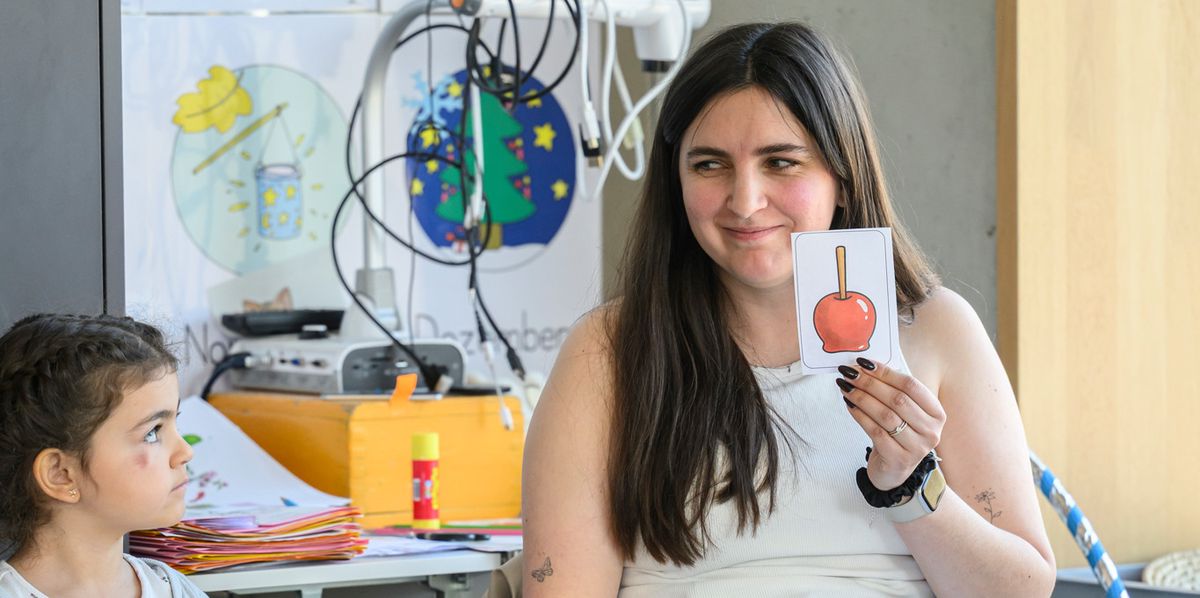
Der Bundesrat verschärft im Streit um das Frühfranzösisch den Ton und greift zu einem bundesrechtlichen Instrument. Alle Primarschülerinnen und Primarschüler in der Schweiz sollen künftig zwingend eine zweite Landessprache lernen. Um dieses Ziel durchzusetzen, hat die Landesregierung eine Revision des Sprachengesetzes in die Vernehmlassung geschickt. Sie reagiert damit auf Vorstösse in mehreren deutschsprachigen Kantonen, Französisch aus den Stundenplänen der Primarschule zu streichen.
Im Zentrum steht die Frage, welche Rolle die Landessprachen im obligatorischen Unterricht spielen sollen. Für den Bundesrat ist dies eine «Frage von nationaler Bedeutung». Die Bundesverfassung verpflichte Bund und Kantone gemeinsam, die Landessprachen zu erhalten, die Verständigung zwischen den Sprachgemeinschaften zu stärken und nationale Minderheiten zu schützen, hält die Regierung fest. Der Bund sehe sich damit in der Verantwortung, den Zusammenhalt zwischen den Sprachregionen und den Respekt vor der sprachlichen Vielfalt zu sichern, während die Kantone ihr Schulwesen so zu harmonisieren hätten, dass Qualität und Durchlässigkeit des Bildungsraums Schweiz gewahrt bleiben.
Der Konflikt entzündet sich an der 2004 beschlossenen Sprachenstrategie der Kantone, die 2009 im HarmoS-Konkordat verankert wurde. Diese sieht vor, dass Kinder in der Primarschule zwei Fremdsprachen erlernen – darunter eine zweite Landessprache. In einzelnen Kantonen gibt es inzwischen Bestrebungen, den Unterricht einer Landessprache als Fremdsprache auf der Primarstufe zu streichen. Das widerspreche der gemeinsamen Strategie, schreibt der Bundesrat und zeigt sich über diese Entwicklung «beunruhigt».
Um gegenzusteuern, legt die Regierung zwei Varianten für eine Gesetzesänderung vor. Die erste folgt dem HarmoS-Modell: In der Primarschule sollen obligatorisch zwei Fremdsprachen unterrichtet werden, eine Landessprache und Englisch. Damit würde die heutige Praxis in den 15 HarmoS-Kantonen bundesrechtlich abgesichert und für alle gelten, sollte es nötig werden. Die zweite Variante lässt den Kantonen mehr Spielraum: Sie verpflichtet lediglich dazu, dass eine zweite Landessprache spätestens ab der Primarschule und durchgehend bis zum Ende der obligatorischen Schulzeit unterrichtet wird, ohne Englisch explizit als zweite Fremdsprache vorzuschreiben.
Mit der Revision will der Bundesrat den Rahmen abstecken für den Fall, dass die Kantone ihre Sprachenstrategie ganz oder teilweise aufgeben. Konkrete Entscheide sind noch offen: Zunächst läuft bis zum 5. Oktober 2026 eine Vernehmlassung, in der Kantone, Parteien und weitere Akteure Stellung beziehen können. Erst danach wird sich zeigen, ob sich das strengere HarmoS-Modell oder die flexibelere Lösung durchsetzt – und wie viel Gewicht der Bund seiner sprachpolitischen Rolle im Schulbereich tatsächlich geben will.