New Production Line in Vietnam to Meet Growing B2B Demand for Advanced Materials, Including PuroTec™ and Easy-Clean Enamel
News Summary
SEOUL, South Korea, July 23, 2026 /PRNewswire/ -- LG Electronics (LG) is strengthening its global supply chain for advanced glass powder-based materials with the launch of a new production line at its manufacturing facility in Haiphong, Vietnam. The new line will produce key materials including LG PuroTec™ and Easy-Clean Enamel while serving as a key production hub for LG's growing advanced materials business.
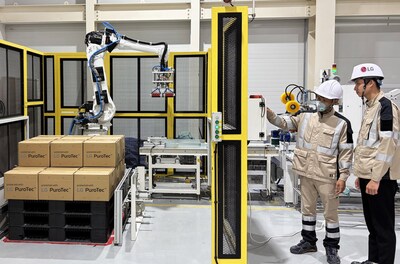
The Haiphong plant adds 2,000 tons of annual glass powder production capacity to LG's manufacturing network. Spanning 3,200 square meters, it is the company's second production base and complements its existing 4,500-ton-capacity plant at LG Smart Park in Changwon, South Korea. Together, the Changwon and Haiphong facilities create a dual-production system that enhances supply stability and delivery responsiveness for customers worldwide.
Advanced Manufacturing for Enhanced Quality
The new plant incorporates advanced manufacturing technologies to improve production efficiency and quality stability. Approximately 80 percent of the process, including raw material input, melting, cooling, pulverization, packaging and shipping, is automated.
LG has enhanced the precision of its melting process, a critical step in producing high-quality glass powder. Glass powder is produced by melting raw materials at high temperatures, cooling and solidifying them, and then ground them into a fine powder. LG applies advanced process-control technology to maintain a uniform temperature, reducing compositional deviations that can affect material performance. The company also uses technology that lessens erosion of the furnace's refractory lining, helping prevent contamination and improve the purity of the final product.
Expanding Applications for Strategic Growth
The Haiphong plant produces LG PuroTec™, an advanced material with antimicrobial and antifungal properties. When added in small quantities to plastics, paint or rubber, PuroTec™ helps suppress microbial growth that can cause odors and contamination. PuroTec™ can be used in a wide range of products, including home appliances such as washing machines, refrigerators and air conditioners, as well as building materials, sanitary products, food packaging and medical equipment.
The facility also produces Easy-Clean Enamel, a functional coating material used to form a thin glassy ceramic layer on metal surfaces. When used inside cooking appliances such as ovens and microwave ovens, the material enables easy removal of food and oil stains while resisting discoloration and scratching over extended use. These properties make it well suited for kitchen appliances where hygiene and convenience are essential.
Additionally, LG is exploring new applications for its glass powder technology. By adjusting its composition, the company can develop glass powder for various functions. One example is 'Marine Glass,' which is designed to dissolve in water and provides nutrients for seaweed and microalgae to support marine ecosystem restoration and carbon reduction efforts. Another is 'Mineral Wash,' which enables washing without surfactants.
LG began researching glass powder in 1996 and now holds more than 420 related patents. Following the full-scale launch of its advanced materials business in 2023, LG has expanded global regulatory readiness by completing antimicrobial registrations in Europe and the U.S. while verifying product safety through hazardous substance evaluations. Advanced materials sales have more than doubled each year since launch.
"Building on our production capabilities and quality competitiveness, we will continue to expand business opportunities by providing differentiated material solutions that address our customers' evolving needs," said Baek Seung-tae, president of the LG Home Appliance Solution Company.
About LG Electronics Home Appliance Solution Company
The LG Home Appliance Solution Company (HS) is a global leader in home appliances and AI home solutions. By leveraging industry-leading core technologies, the HS Company is committed to enhancing consumers' quality of life and promoting sustainability. The company develops thoughtfully designed kitchen and living appliance solutions and has recently integrated LG's Robot Business Division to incorporate advanced robot technologies into its home solutions. Together, these products offer enhanced convenience, exceptional performance, efficient operation and sustainable lifestyle solutions. For more news on LG, visit www.lg.com/global/newsroom.
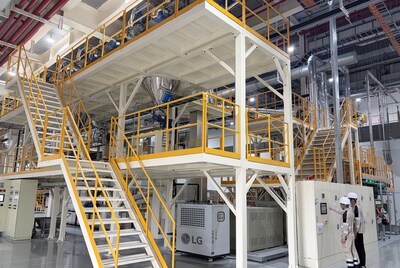
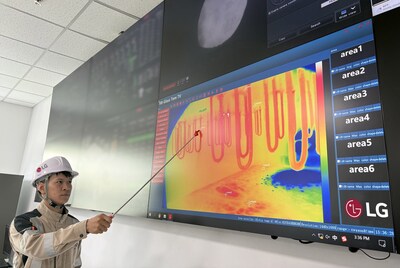
Photo - https://mma.prnewswire.com/media/3007287/1.jpg
Photo - https://mma.prnewswire.com/media/3007285/2.jpg
Photo - https://mma.prnewswire.com/media/3007286/3.jpg
 View original content:https://www.prnewswire.co.uk/news-releases/lg-electronics-strengthens-global-supply-chain-for-advanced-antimicrobial-materials-302832735.html

Die Schweiz stimmt an diesem Wochenende über eine der umstrittensten Initiativen der vergangenen Jahre ab: „Keine 10-Millionen-Schweiz!“. Der Vorstoß der nationalkonservativen Schweizerischen Volkspartei (SVP), auch bekannt als Schweizerische Volkspartei oder Swiss People's Party, sieht vor, die ständige Wohnbevölkerung des Landes bis 2050 auf maximal zehn Millionen Menschen zu begrenzen. Nach ersten Hochrechnungen tendieren die Stimmbürgerinnen und Stimmbürger dazu, die Initiative abzulehnen – ein Ergebnis, das im Vorfeld keineswegs sicher schien.
Die Initiative, die in der Verfassung verankert werden soll, würde den Bund verpflichten, Gegenmaßnahmen zu ergreifen, sobald die Bevölkerung 9,5 Millionen erreicht. Die Schweiz zählte Ende 2025 bereits gut 9,1 Millionen Einwohner – rund 1,7 Millionen mehr als 2002. Haupttreiber des Wachstums ist die Zuwanderung. Rund 28% der im Land lebenden Menschen besitzen keinen Schweizer Pass. Viele stammen aus EU-Staaten wie Italien, Deutschland und Portugal, hinzu kommen Personen aus Drittstaaten, darunter Asylsuchende.
Unterstützer der Initiative argumentieren, das Land stoße an seine Belastungsgrenzen. Sie verweisen auf steigende Mieten, überlastete Verkehrswege, Staus sowie eine als problematisch wahrgenommene Entwicklung bei Gewalt und Kriminalität, die sie mit einer höheren Zuwanderung verknüpfen. Ziel sei es laut Kampagnenmotto, „zu bewahren, was wir lieben“. Die SVP wirbt mit auffälligen Aufklebern, Fahnen und Plakaten in Nationalfarben, um eine Begrenzung des Bevölkerungswachstums als Schutz der Lebensqualität zu präsentieren.
Gegen die Initiative stellen sich der Bundesrat, das Parlament, die Kantone sowie die meisten übrigen großen Parteien, gestützt von Wirtschaftsverbänden und Gewerkschaften. Sie warnen, ein starres Bevölkerungs- und damit faktisches Zuwanderungslimit könne den bereits bestehenden Arbeitskräftemangel verschärfen. Laut Bundesamt für Statistik waren im ersten Quartal 2026 rund 1,87 Millionen ausländische Erwerbstätige in der Schweiz beschäftigt. Etwa vier von fünf kamen aus EU- oder EFTA-Staaten oder dem Vereinigten Königreich, der Rest aus Drittstaaten. Viele arbeiten in Bereichen wie Gesundheitswesen, Bau und Gastgewerbe – Sektoren, die stark auf Personal aus dem Ausland angewiesen sind.
Ein weiterer Konfliktpunkt ist das Verhältnis zur Europäischen Union. Die Initiative sieht vor, dass die Schweiz in letzter Konsequenz das Abkommen über die Personenfreizügigkeit mit der EU kündigen müsste, sollte die Obergrenze sonst nicht zu halten sein. Gegner befürchten, dies könnte die bilateralen Beziehungen und den Zugang zum europäischen Arbeitsmarkt belasten. Befürworter halten dem entgegen, nur mit klaren quantitativen Vorgaben lasse sich der Druck auf Wohnungsmarkt, Infrastruktur und öffentliche Dienste nachhaltig begrenzen.
Parallel zur Abstimmung über die 10-Millionen-Grenze entscheiden die Stimmberechtigten auch über eine Verschärfung des Zivildienstgesetzes. Im Fokus der innenpolitischen Debatte steht jedoch vor allem die Frage, wie die Schweiz Wachstum, Wohlstand und gesellschaftlichen Zusammenhalt künftig austarieren will. Das Ergebnis der Volksabstimmung dürfte zwar die Initiative selbst klären, die Grundsatzdiskussion über Zuwanderung, Arbeitskräftebedarf und Lebensqualität in der Alpenrepublik jedoch kaum beenden.