Chosen by Customers Worldwide, LG's InstaView™ Refrigerator Innovation Continues to Redefine the Kitchen Experience a Decade After Its Debut
News Summary
SEOUL, South Korea, July 24, 2026 /PRNewswire/ -- LG Electronics' (LG) InstaView™ refrigerator, which allows users to see inside without opening the door, has reached a major milestone on its 10th anniversary, surpassing 5.3 million units in cumulative global sales since its 2016 launch.

Trusted by Consumers Around the World
Since launching the LG InstaView refrigerator in 2016, LG has sold a remarkable 5.3 million units – equivalent to selling roughly one unit every minute.
LG InstaView refrigerator has seen strong customer demand globally, with North America representing its strongest market and accounting for about 30 percent of cumulative sales to date. In Europe, InstaView refrigerator has also been well received by consumers who place high value on energy efficiency, sustainability and food preservation performance. Sales are also steadily rising in Asia and Latin America, driven by growing demand for premium appliances.
An Innovation That Redefined the Refrigerator
InstaView redefined how consumers interact with their refrigerators by allowing them to see inside without opening the door. This feature allows users to check the fridge's contents without opening the door and helps reduce unnecessary cold-air loss associated with frequent door opening. Over the past decade, its innovation has been recognized by international media and honored with numerous accolades from major global design and innovation awards, including the Red Dot Design Award, iF Design Award, IDEA, and the CES Innovation Award.
From Functional Benefit to Lifestyle Value
LG's analysis of global customer reviews shows that consumer appreciation for the InstaView refrigerator and its eponymous feature has evolved over time, shifting from an initial focus on the functional benefits to the overall sense of satisfaction that it provides. While early feedback centered on the convenience of knocking twice to see inside and the reduction of cold air loss, more recent reviews increasingly highlight InstaView's refined design and the enjoyment it brings to everyday kitchen use.
"For a decade now, LG InstaView refrigerator has stood as a testament to our leadership in the home appliance market and to our deep understanding of customers' lifestyles," said Baek Seung-tae, president of the LG Home Appliance Solution Company. "This milestone reflects our success in creating not just an innovative feature, but a more convenient and enjoyable kitchen experience. Building on our advanced AI, refrigeration and food preservation technologies, we will continue to lead the evolution of the kitchen experience with customer-centric innovations."
About LG Electronics Home Appliance Solution Company
The LG Home Appliance Solution Company (HS) is a global leader in home appliances and AI home solutions. By leveraging industry-leading core technologies, the HS Company is committed to enhancing consumers' quality of life and promoting sustainability. The company develops thoughtfully designed kitchen and living appliance solutions and has recently integrated LG's Robot Business Division to incorporate advanced robot technologies into its home solutions. Together, these products offer enhanced convenience, exceptional performance, efficient operation and sustainable lifestyle solutions. For more news on LG, visit www.LG.com/global/newsroom/.
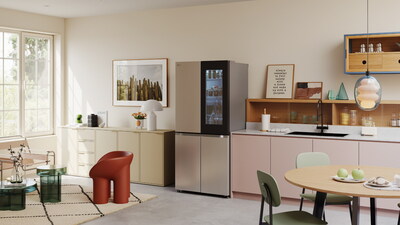


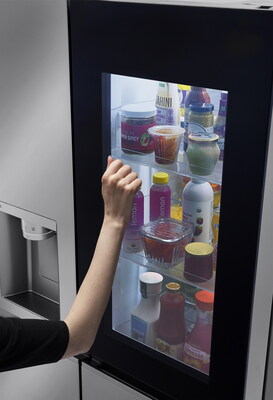
Photo - https://mma.prnewswire.com/media/3007470/1__featured.jpg
Photo - https://mma.prnewswire.com/media/3007471/2.jpg
Photo - https://mma.prnewswire.com/media/3007472/3.jpg
Photo - https://mma.prnewswire.com/media/3007468/4.jpg
Photo - https://mma.prnewswire.com/media/3007469/5.jpg
 View original content:https://www.prnewswire.co.uk/news-releases/lg-instaview-refrigerator-surpasses-5-3-million-in-global-sales-302834020.html

Der Bundesrat verschärft im Streit um das Frühfranzösisch den Ton und greift zu einem bundesrechtlichen Instrument. Alle Primarschülerinnen und Primarschüler in der Schweiz sollen künftig zwingend eine zweite Landessprache lernen. Um dieses Ziel durchzusetzen, hat die Landesregierung eine Revision des Sprachengesetzes in die Vernehmlassung geschickt. Sie reagiert damit auf Vorstösse in mehreren deutschsprachigen Kantonen, Französisch aus den Stundenplänen der Primarschule zu streichen.
Im Zentrum steht die Frage, welche Rolle die Landessprachen im obligatorischen Unterricht spielen sollen. Für den Bundesrat ist dies eine «Frage von nationaler Bedeutung». Die Bundesverfassung verpflichte Bund und Kantone gemeinsam, die Landessprachen zu erhalten, die Verständigung zwischen den Sprachgemeinschaften zu stärken und nationale Minderheiten zu schützen, hält die Regierung fest. Der Bund sehe sich damit in der Verantwortung, den Zusammenhalt zwischen den Sprachregionen und den Respekt vor der sprachlichen Vielfalt zu sichern, während die Kantone ihr Schulwesen so zu harmonisieren hätten, dass Qualität und Durchlässigkeit des Bildungsraums Schweiz gewahrt bleiben.
Der Konflikt entzündet sich an der 2004 beschlossenen Sprachenstrategie der Kantone, die 2009 im HarmoS-Konkordat verankert wurde. Diese sieht vor, dass Kinder in der Primarschule zwei Fremdsprachen erlernen – darunter eine zweite Landessprache. In einzelnen Kantonen gibt es inzwischen Bestrebungen, den Unterricht einer Landessprache als Fremdsprache auf der Primarstufe zu streichen. Das widerspreche der gemeinsamen Strategie, schreibt der Bundesrat und zeigt sich über diese Entwicklung «beunruhigt».
Um gegenzusteuern, legt die Regierung zwei Varianten für eine Gesetzesänderung vor. Die erste folgt dem HarmoS-Modell: In der Primarschule sollen obligatorisch zwei Fremdsprachen unterrichtet werden, eine Landessprache und Englisch. Damit würde die heutige Praxis in den 15 HarmoS-Kantonen bundesrechtlich abgesichert und für alle gelten, sollte es nötig werden. Die zweite Variante lässt den Kantonen mehr Spielraum: Sie verpflichtet lediglich dazu, dass eine zweite Landessprache spätestens ab der Primarschule und durchgehend bis zum Ende der obligatorischen Schulzeit unterrichtet wird, ohne Englisch explizit als zweite Fremdsprache vorzuschreiben.
Mit der Revision will der Bundesrat den Rahmen abstecken für den Fall, dass die Kantone ihre Sprachenstrategie ganz oder teilweise aufgeben. Konkrete Entscheide sind noch offen: Zunächst läuft bis zum 5. Oktober 2026 eine Vernehmlassung, in der Kantone, Parteien und weitere Akteure Stellung beziehen können. Erst danach wird sich zeigen, ob sich das strengere HarmoS-Modell oder die flexibelere Lösung durchsetzt – und wie viel Gewicht der Bund seiner sprachpolitischen Rolle im Schulbereich tatsächlich geben will.