The report from electrification partner Enatel draws on industry expertise, data and research to outline how airports can successfully transition to electric ground support equipment in 2027.
CHRISTCHURCH, New Zealand, Sept. 1, 2026 /PRNewswire/ -- Airports across the world are adopting electric ground support equipment (eGSE), and a new report reveals unique barriers depending on operation size. Enatel, a global leader in electrification solutions, today launches The Global State of Airside Electrification: From Commitment to Operational Reality, backed by industry data, case studies and interviews.
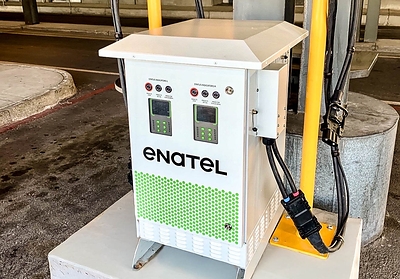
The report finds that electrification is accelerating globally, but airports face different execution challenges depending on scale. From power availability constraints at major hubs to knowledge and planning gaps at regional operations, both need actionable guidance to move from commitment to execution and meet sustainability goals.
The insights come at a pivotal time. A recent survey by Ground Support Worldwide found that nearly 65% of airports intend to invest in eGSE fleets over the next five years to meet sustainability targets, improve operational efficiency and comply with new regulations. However, over 70% of respondents indicated their current charging infrastructure is lacking.
"The question for most airports is no longer whether to electrify, it's how to plan and grow new electric GSE fleets effectively," said Mike Clifford, General Manager of Enatel. "This report explores how GSE operators should prioritize infrastructure strategies and long-term implementation planning."
Key Insights from the GSE Report
From large international airports to smaller regional hubs, airside ground support equipment electrification is gaining momentum globally. The report finds that some of the biggest opportunities and challenges for the industry include:
Industry Experts in the GSE Report
The report also highlights insights from airport operators and charging specialists around the world. Contributors include Tony Smith of Bahrain Airport Services, who provides perspective on a real-world charging case study, along with other experts from Deerns, FastCharge, Enatel, and IDEAL Industries.
"This report provides airport operators with the strategies they need to move from electrification commitment to scalable execution," said Rachel Whitehead, Director of Marketing and Product at Enatel. "Infrastructure decisions made today will support long-term electrification success."
Read the report here.
About Enatel®
Enatel is a global leader in advanced battery charging technology designed for industrial vehicles. With more than 200,000 chargers deployed globally, they design and manufacture efficient, scalable charging solutions used across the material handling equipment, ground support equipment, and AGV industries. Enatel is headquartered in New Zealand and is part of the IDEAL Industries Inc. family of companies.
Media Contact:
Kaitlin Liebling
Kaitlin.Liebling@idealindustries.com

 View original content to download multimedia:https://www.prnewswire.co.uk/news-releases/new-report-reveals-how-airports-can-successfully-scale-electrified-gse-fleets-in-2027-302863073.html

Inflationssorgen und steigende Ölpreise haben Europas wichtigste Aktienmärkte zur Wochenmitte spürbar belastet und zugleich die Monatsbilanz eingetrübt. Der EuroStoxx 50 schloss am Mittwoch 0,81 Prozent tiefer bei 6269,02 Punkten. Im Monatsverlauf verlor der Leitindex der Eurozone 2,4 Prozent und beendete damit eine Serie von fünf Anstiegen in Folge. Der DAX gab um 0,79 Prozent auf 25.199,19 Punkte nach, während der britische FTSE moderat um rund ein Viertel Prozent auf gut 10.600 Zähler nachgab.
Treiber der Risikoaversion waren neue Inflationsdaten aus großen Euroländern. In Deutschland kletterten die Verbraucherpreise im September auf 3,3 Prozent gegenüber dem Vorjahr und damit erstmals seit Ende 2023 wieder über die Marke von drei Prozent, nachdem im August noch 2,9 Prozent verzeichnet worden waren. Starke Anstiege der Energiepreise wirkten als Hauptfaktor – eine Entwicklung, die sich nach ersten Angaben auch in Frankreich und Italien widerspiegelt. In Italien kam es zudem zu einem deutlichen Anstieg der Teuerung, was die Sorge nährte, dass der disinflationäre Trend im Euroraum ins Stocken geraten könnte.
Parallel dazu zogen die Ölpreise erneut an. Marktteilnehmer verwiesen auf die angespannte geopolitische Lage im Nahen Osten und mögliche Risiken für die Öllieferungen aus dem Persischen Golf. Berichte, wonach mehrere Tankschiffe in der Straße von Hormuz unter Beschuss geraten sein sollen, verstärkten die Nervosität. Höhere Energiekosten und im Umfeld der Inflationsdaten steigende Anleiherenditen machten Anleger nach Einschätzung von Marktstrategen europaweit selektiver. Ulrich Urbahn, Leiter Multi-Asset-Strategie und Research bei Berenberg, sieht dennoch Chancen für eine Jahresendrallye: Robuste Unternehmensgewinne könnten die Märkte stützen, sofern Firmen ihre Margen und Prognosen behaupten und sowohl Inflation als auch Renditen nicht weiter zulegen.
Im Branchenspektrum fehlten klare Impulse von den Technologiewerten, die nach Vortagesgewinnen überwiegend richtungslos tendierten. Viele Investoren warteten auf die anstehenden Quartalszahlen des US-Speicherchip-Herstellers Micron, die als Gradmesser gelten, ob der Boom rund um Künstliche Intelligenz weiterhin ausreichend im operativen Geschäft der Halbleiterbranche ankommt. Analyst Andreas Lipkow von CMC Markets warnte, eine Enttäuschung bei Micron könne die zuletzt gewachsene Skepsis gegenüber dem KI-Sektor rasch in neuen Verkaufsdruck umschlagen lassen. Einzelwerte wie BMW im DAX konnten sich diesem Umfeld zwar mit Kursgewinnen entziehen, insgesamt dominierte an den europäischen Börsen jedoch zum Monatsende die Vorsicht.