Cases led by Prof. Silvana Perretta highlight the potential for automated ESG technology to broaden adoption across both endoscopy and surgical specialties
CAESAREA, Israel, June 29, 2026 /PRNewswire/ -- Nitinotes Ltd., developer of the EndoZip™ Automated Suturing System for Endoscopic Sleeve Gastroplasty (ESG), today announced the successful completion of the first commercial EndoZip™ cases in France. The cases were performed at the Institute of Image-Guided Surgery (IHU Strasbourg) in Strasbourg, France, under the leadership of Prof. Silvana Perretta, Chief of Foregut Surgery and Advanced Gastrointestinal Endoscopy.
This milestone represents another important step in Nitinotes' European commercial expansion following recent introductions in Italy and Spain. Prof. Perretta's adoption of EndoZip highlights growing interest in ESG among physicians with expertise spanning advanced endoscopy, bariatric surgery, and foregut surgery, reinforcing the potential for automation to expand access to minimally invasive obesity treatment.
A recognized international leader in surgical innovation, therapeutic endoscopy, and minimally invasive gastrointestinal procedures, Prof. Perretta has been at the forefront of advancing integrated approaches to obesity and foregut disease treatment.
"Obesity remains one of the most significant healthcare challenges worldwide, and expanding access to minimally invasive treatment options is increasingly important," said Prof. Perretta. "Technologies that simplify procedural execution and reduce technical complexity have the potential to support broader adoption of ESG across different physician specialties. My initial experience with EndoZip was promising, and I look forward to further evaluating its role in clinical practice."
Endoscopic Sleeve Gastroplasty has emerged as a minimally invasive option for patients seeking meaningful weight loss without surgery. However, adoption has historically been concentrated among a relatively small number of highly experienced endoscopists due to the technical complexity associated with conventional endoscopic suturing systems.
"One of our core beliefs has always been that automation can help unlock the full potential of ESG by making the procedure more accessible to a broader range of physicians," said Lloyd Diamond, CEO of Nitinotes. "The first cases in France, performed under Prof. Perretta's leadership at IHU Strasbourg, are particularly meaningful because they demonstrate interest not only among advanced endoscopists, but also among leading bariatric and foregut surgeons, supporting our belief that automation can help expand ESG adoption across a broader physician base."
EndoZip is an automated endoluminal suturing system designed to simplify tissue approximation during endoscopic procedures for the treatment of obesity. By automating key suturing steps, the system is intended to reduce technical complexity and support a more standardized approach to Endoscopic Sleeve Gastroplasty (ESG).
The first commercial cases in France follow recent EndoZip procedures in Italy and Spain, reflecting continued commercial momentum and growing physician adoption following CE Mark approval.
EndoZip is CE marked in Europe and is currently limited to investigational use in the United States.
About Nitinotes
Nitinotes is a privately held medical device company pioneering automated endoluminal suturing technologies for the treatment of obesity. The company's flagship system, EndoZip™, is a fully automated ESG platform designed to support a standardized approach to endoluminal suturing. EndoZip™ recently received CE Mark approval, authorizing commercial use in the European Union and other CE Mark–accepting markets.
For more information, visit https://nitinotesurgical.com.
Media Contact: Offer Nonhoff, Chief Financial Officer, offer@nitinotesurgical.com.
 View original content:https://www.prnewswire.co.uk/news-releases/nitinotes-expands-european-commercial-adoption-with-first-commercial-endozip-cases-performed-in-france-302812835.html

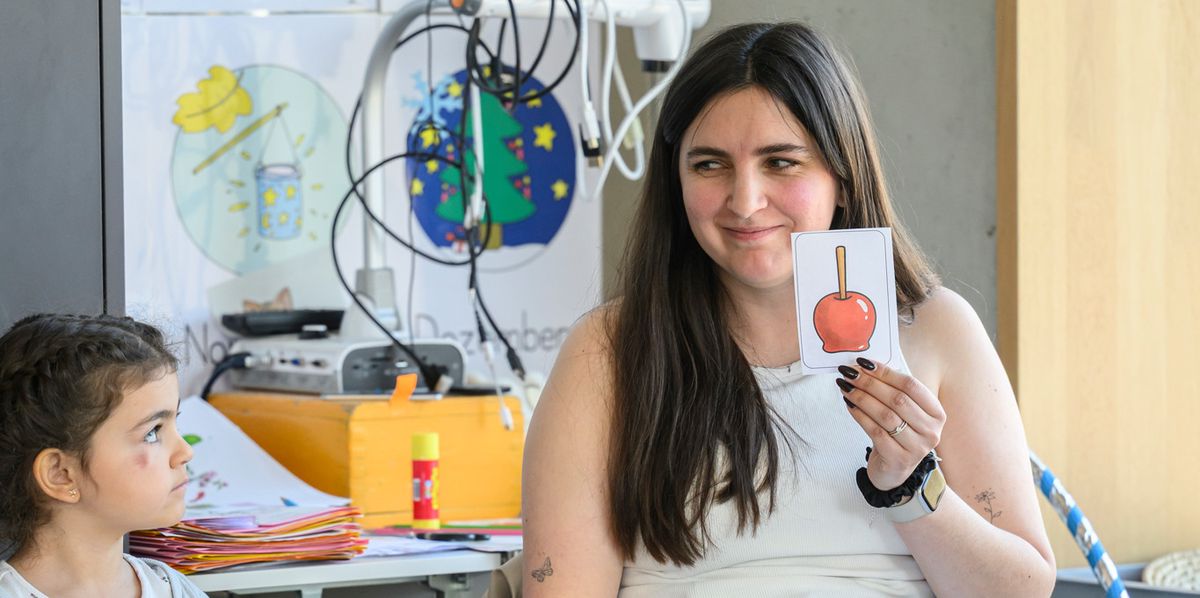
Der Bundesrat verschärft im Streit um das Frühfranzösisch den Ton und greift zu einem bundesrechtlichen Instrument. Alle Primarschülerinnen und Primarschüler in der Schweiz sollen künftig zwingend eine zweite Landessprache lernen. Um dieses Ziel durchzusetzen, hat die Landesregierung eine Revision des Sprachengesetzes in die Vernehmlassung geschickt. Sie reagiert damit auf Vorstösse in mehreren deutschsprachigen Kantonen, Französisch aus den Stundenplänen der Primarschule zu streichen.
Im Zentrum steht die Frage, welche Rolle die Landessprachen im obligatorischen Unterricht spielen sollen. Für den Bundesrat ist dies eine «Frage von nationaler Bedeutung». Die Bundesverfassung verpflichte Bund und Kantone gemeinsam, die Landessprachen zu erhalten, die Verständigung zwischen den Sprachgemeinschaften zu stärken und nationale Minderheiten zu schützen, hält die Regierung fest. Der Bund sehe sich damit in der Verantwortung, den Zusammenhalt zwischen den Sprachregionen und den Respekt vor der sprachlichen Vielfalt zu sichern, während die Kantone ihr Schulwesen so zu harmonisieren hätten, dass Qualität und Durchlässigkeit des Bildungsraums Schweiz gewahrt bleiben.
Der Konflikt entzündet sich an der 2004 beschlossenen Sprachenstrategie der Kantone, die 2009 im HarmoS-Konkordat verankert wurde. Diese sieht vor, dass Kinder in der Primarschule zwei Fremdsprachen erlernen – darunter eine zweite Landessprache. In einzelnen Kantonen gibt es inzwischen Bestrebungen, den Unterricht einer Landessprache als Fremdsprache auf der Primarstufe zu streichen. Das widerspreche der gemeinsamen Strategie, schreibt der Bundesrat und zeigt sich über diese Entwicklung «beunruhigt».
Um gegenzusteuern, legt die Regierung zwei Varianten für eine Gesetzesänderung vor. Die erste folgt dem HarmoS-Modell: In der Primarschule sollen obligatorisch zwei Fremdsprachen unterrichtet werden, eine Landessprache und Englisch. Damit würde die heutige Praxis in den 15 HarmoS-Kantonen bundesrechtlich abgesichert und für alle gelten, sollte es nötig werden. Die zweite Variante lässt den Kantonen mehr Spielraum: Sie verpflichtet lediglich dazu, dass eine zweite Landessprache spätestens ab der Primarschule und durchgehend bis zum Ende der obligatorischen Schulzeit unterrichtet wird, ohne Englisch explizit als zweite Fremdsprache vorzuschreiben.
Mit der Revision will der Bundesrat den Rahmen abstecken für den Fall, dass die Kantone ihre Sprachenstrategie ganz oder teilweise aufgeben. Konkrete Entscheide sind noch offen: Zunächst läuft bis zum 5. Oktober 2026 eine Vernehmlassung, in der Kantone, Parteien und weitere Akteure Stellung beziehen können. Erst danach wird sich zeigen, ob sich das strengere HarmoS-Modell oder die flexibelere Lösung durchsetzt – und wie viel Gewicht der Bund seiner sprachpolitischen Rolle im Schulbereich tatsächlich geben will.