GLADSTONE, Australia, Oct. 20, 2026 /PRNewswire/ -- Rondo Energy and Rio Tinto have started front-end engineering and design on the project for a 360 MWh storage / 30 MW discharge Rondo Heat Battery, supported by a grant from the Australian Renewable Energy Agency (ARENA).

ARENA's funding for the project will be provided in stages, with an initial $3.6 million to complete front-end engineering and design work. Following successful completion of that study, ARENA will provide up to $38 million for deployment. ARENA has also approved up to $33.3 million in conditional contingency support, which would only be made available in defined circumstances to manage specific project risks, including cost overruns and electricity costs.
If progressed, the project would be delivered at Rio Tinto's Yarwun alumina refinery near Gladstone, Queensland and would be one of the first large-scale demonstrations of thermal energy storage for industrial process heat globally, and a world-first for the alumina industry.
Rondo Heat Batteries use abundant, low-cost midday electricity to charge, storing energy as high-temperature heat in refractory brick, and supplying energy as 24/7 continuous process heat to industry. Typically, the heat is delivered as steam, directly into an industrial facility's steam network. Australia regularly has 4-6 hours of surplus solar-generated renewable electricity in the middle of the day, but industrial facilities need heat 24 hours a day, not just when the sun is shining. By charging when electricity is cheap and abundant and discharging continuously, Rondo Heat Batteries turn short periods of low-cost electricity into 24/7 delivery of low-cost steam.
For energy-intensive industries such as alumina refining, Rondo Heat Batteries create a pathway to electrification that addresses both emissions and energy costs. Because the heat battery slots into the existing steam network, the facility's processes run exactly as before — the only thing that changes is the energy for that heat: no longer from fossil fuels, but sourced from low cost electricity instead. The Yarwun study will assess the technical and economic viability of integrating the technology into refinery operations.
"This project shows how Australia's abundant energy can become a competitive advantage for industry," said Dr. Kira Rundel, Rondo's Head of Australia. "Heat batteries allow manufacturers to use low-cost electricity to produce the reliable, round-the-clock heat their operations need. Australia's largest heat battery will show how factories can cut emissions without increasing energy costs, helping Australian industry to increase global competitiveness and supporting local manufacturing jobs."
Rio Tinto Pacific Operations Managing Director Armando Torres said: "Reducing emissions from alumina refining is complex, particularly when it comes to generating the high-pressure steam needed for our operations.
"This study will help us determine whether thermal energy storage can provide a technically and economically viable alternative to fossil fuels for part of Yarwun's steam requirements.
"The best way to tackle challenges of this scale is through collaboration between industry, government, and technology partners. We welcome ARENA and Rondo's support as we assess technologies that could help reduce our Scope 1 emissions while maintaining reliable operations at Yarwun."
About Rondo Energy
Rondo Energy delivers firm heat and power, including combined heat and power (CHP), to heavy industry and provides power solutions and long duration storage to data centers. For industrial heat applications, Rondo Heat Batteries convert 4-6 hours of low-cost electricity into continuous 24-hour, high-temperature heat, delivered as steam or hot air up to 1,000°C. The heat delivered integrates directly with existing industrial equipment and processes, eliminating on-site emissions and running on lower cost energy. Rondo heat storage can integrate with steam turbines to deliver combined heat and power (CHP) for industry, and long duration power-to-power solutions for large energy consumers such as data centers. Built on proven refractory brick as the thermal storage medium, Rondo's platform is engineered for multi-decade operation in the most demanding industrial environments.
Rondo Heat Batteries have been delivering firm heat and power at scale since 2023, with operational facilities serving customers in fuels and cement (including steam driving turbines for electricity) in the United States and in Asia. The next unit will come online shortly - a 100 MWh Rondo Heat Battery under construction in Europe for a chemical plant. Rondo is a global company based in California, with teams across North America, Europe, the Middle East, and Australia. Providing heat and power solutions to the alumina industry is an area of focus for the company due to the strong fit of Rondo's technology with the heat and power needs of the alumina industry.
 View original content to download multimedia:https://www.prnewswire.co.uk/news-releases/rondo-energy-and-rio-tinto-advance-australias-largest-thermal-energy-storage-project-302914670.html

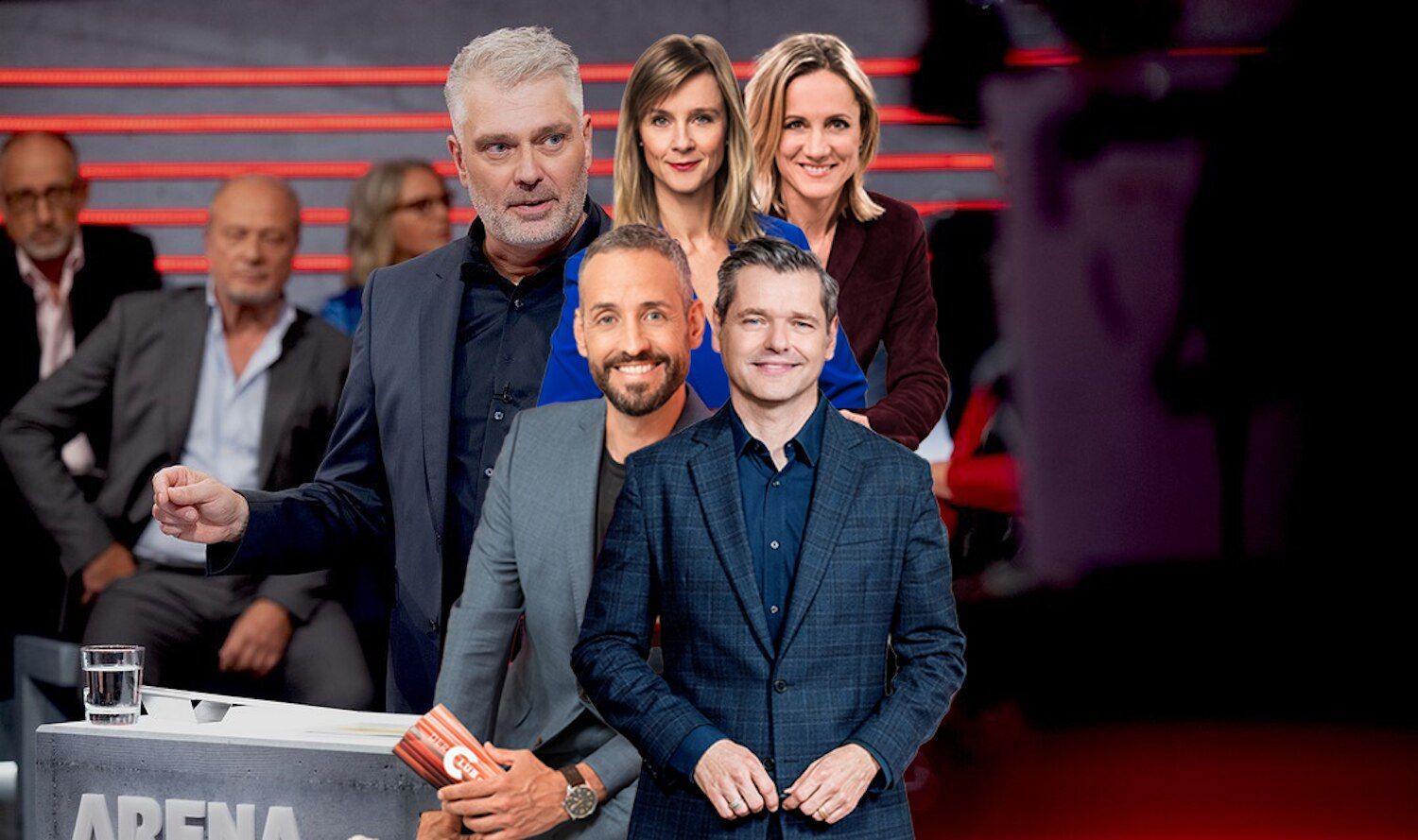
Sandro Brotz kehrt dem Schweizer Radio und Fernsehen den Rücken und wechselt Anfang 2027 zur Boulevardzeitung «Blick». Der 56-jährige Journalist, derzeit Moderator und stellvertretender Leiter der Polit-Talksendung «Arena», wird SRF Ende Januar 2027 verlassen. Bis voraussichtlich Mitte Januar führt er weiterhin durch die «Arena». Beim zum Ringier-Konzern gehörenden «Blick» soll Brotz einen neuen Video-Podcast aufbauen und moderieren, der mehrmals pro Woche Themen aus Politik, Wirtschaft und Gesellschaft aufgreift.
Der Schritt markiert das Ende einer knapp 15-jährigen SRF-Ära für Brotz. Seit seinem Wechsel nach Leutschenbach im Juni 2012 prägte er zunächst als Moderator der investigativen Sendung «Rundschau» das Programm, später zusätzlich als Gastgeber des «Rundschau Talk». 2019 übernahm er schliesslich die «Arena» von Jonas Projer. Als Grund für den Wechsel nennt Brotz die Möglichkeit, bei «Blick» ein neues Format mitzuentwickeln und damit über die Rolle des klassischen Moderators hinauszugehen. Ganz neu ist das Ringier-Umfeld für ihn nicht: Vor seiner SRF-Zeit war er bereits unter anderem stellvertretender Chefredaktor des «SonntagsBlick».
Der Abgang von Brotz wirft bei SRF unmittelbar die Nachfolgefrage auf. Als Topfavorit galt zuletzt sein Kollege Mario Grossniklaus, der seit 2024 einmal im Monat die «Arena» moderiert und damit Brotz entlastet. Der 49-Jährige hat dieser Spekulation nun jedoch eine klare Absage erteilt. Auf Linkedin schrieb Grossniklaus, er werde sich nicht auf die Nachfolge seines «geschätzten Kollegen» bewerben. Stattdessen wolle er sich auf seine Aufgaben in der Wahlleitung von SRG und SRF konzentrieren – eine Funktion, die er als «grösste und spannendste Aufgabe» seiner bisherigen Karriere bezeichnet.
Mit der Absage von Grossniklaus bleibt offen, wer Brotz ab etwa Mitte Januar beerben wird. SRF verweist darauf, man wolle sich vorerst auf eine geordnete Übergabe der «Arena» konzentrieren. Der Wechsel von Brotz reiht sich ein in eine Serie prominenter Abgänge von SRF in Richtung Dufourstrasse: Bereits zuvor hatten unter anderem Reto Scherrer, Steffi Buchli, Christine Maier, Hannes Britschgi und der frühere «Arena»-Moderator Jonas Projer den Schritt zum Ringier-Konzern gewagt. Die Motive reichen von besseren Angeboten bis hin zum Wunsch, den eigenen Namen in neuen Rollen und Formaten zu positionieren – mit sehr unterschiedlichem Ausgang.