MUNICH, July 13, 2026 /PRNewswire/ -- During the Intersolar Europe 2026 exhibition, Sungrow and TÜV Rheinland jointly launched the world's first quantitative long-term reliability standards for PV inverters, including 2 PfG 3325 Reliability test qualification for IGBT modules in photovoltaic power systems and power electronic converter systems and 2 PfG 3328 - Part 2 Specifications for Reliability Testing and Assessment of Power Electronic Products - Part 2: Power Conversion Equipment (PCE).
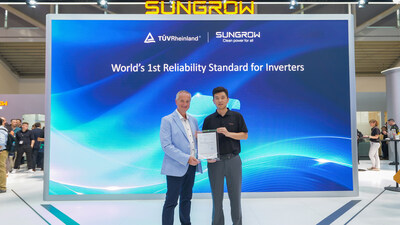
Sungrow's SG510HX string inverter and its IGBT modules were among the first products certified under the two standards, providing early validation of the framework in practical applications.
Meeting the Demands of Modern PV Plants
As PV power plants continue to expand into increasingly demanding environments such as deserts, offshore locations, and high-altitude regions, ensuring inverter reliability over 25 years of operation has become increasingly important for project owners and investors. However, existing reliability qualification methodologies were not originally designed to fully capture the increasingly diverse and demanding operating conditions of modern PV plants, creating a gap between laboratory qualification and long-term field performance.
To address this challenge, Sungrow and TÜV Rheinland have developed a comprehensive reliability evaluation framework that enables a more scientific, quantitative, and traceable assessment of inverter lifetime performance.
From Systems to Components: A Unified Reliability Validation Framework
Facing the shortcomings of traditional standards, the dual framework establishes a robust, quantifiable reliability methodology spanning the entire "system-component" validation continuum.
Together, the standards establish a system-to-component validation chain: 2 PfG 3325 provides a quantitative data basis for inverter -level reliability modeling and supplier evaluation, while 2 PfG 3328 - Part 2 defines a unified inverter -level validation framework with testable and traceable criteria.
New Standards Upgraded for Complex Scenarios
Addressing the issue of insufficient coverage in traditional standard scenarios, the standards added several enhanced test items designed for complex operating conditions.
The standards significantly strengthen reliability verification by expanding test coverage for complex operating scenarios.
Quantifiable Lifetime Assessment
To improve the quantitative assessment of long-term field reliability, the standards establish data-driven lifetime models based on extensive field performance data from PV power plants. The standards also draw on automotive components' reliability testing and quality verification standards such as VW 80000 and GMW 3172, adopting more stringent test approaches to evaluate long-term stability under complex operating conditions.
"The two standards establish a structured and verifiable framework for long-term inverter reliability evaluation, offering valuable references for manufacturers, investors, and insurers in assessing lifecycle performance," said Thomas Haupt, Vice President of Solar & Commercial Products, European Region of TÜV Rheinland Group.
Why Sungrow
As the pioneering architect of these standards, Sungrow leveraged its 29 years of expertise in power electronics together with extensive global project experience and operational insights across diverse climates and applications. Steering the reliability evaluation of PV inverters away from subjective empirical deductions toward a scientifically quantifiable, verifiable, and traceable future.
Photo - https://mma.prnewswire.com/media/3005616/111.jpg
Logo - https://mma.prnewswire.com/media/1344575/Logo.jpg
 View original content:https://www.prnewswire.co.uk/news-releases/sungrow-and-tuv-rheinland-redefine-industry-rule-worlds-first-inverter-long-term-reliability-corporate-standards-released-302823493.html

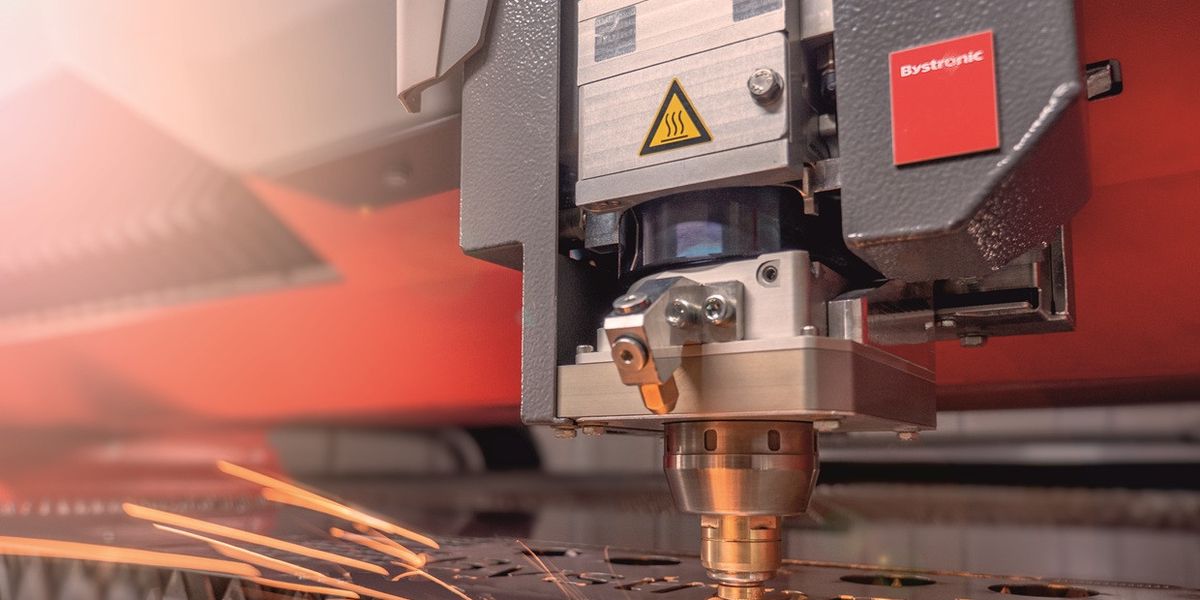
Bystronic hat seine Erwartungen für das laufende Geschäftsjahr 2026 nach unten angepasst. Der Hersteller von Maschinen für die Blechbearbeitung rechnet zwar weiterhin mit einem höheren Nettoumsatz als im Vorjahr, erwartet jedoch keine Verbesserung der Profitabilität mehr. Bereits im zweiten Quartal 2026 dürften Auftragseingang, Nettoumsatz und Ergebnis unter den bisherigen Annahmen liegen, obwohl sie gegenüber dem ersten Quartal zulegen sollen.
Das Management verweist auf anhaltend schwierige Marktbedingungen im Kerngeschäft. Während die Nachfrage nach Biegelösungen stabil bleibt, leidet das Lasergeschäft weiter unter einer schwachen Marktlage. Geringere Kapazitätsauslastung und Preisdruck im Verkauf von Einzelmaschinen wirken zusätzlich auf die Marge. Hinzu kommt, dass der Trend zu stärker automatisierten Lösungen zwar den Auftragsbestand stützt, die Projekte jedoch längere Laufzeiten haben und sich der hohe Auftragsbestand dadurch langsamer in Nettoumsätze umwandelt.
Einen Lichtblick liefert die neu geschaffene Geschäftseinheit Bystronic Rofin. Sie trägt nach Unternehmensangaben weiterhin positiv zum Konzernergebnis bei, gestützt von einer robusten Nachfrage nach Anwendungen im Halbleiterbereich. Dieser Bereich soll auch dazu beitragen, dass der Konzernumsatz 2026 insgesamt über dem Niveau des Vorjahres liegt, auch wenn die Ergebnisqualität im Vergleich zu 2025 zurückbleiben dürfte.
Konkrete Zahlen zu Auftragseingang, Umsatz und Ergebnis nannte Bystronic bislang nicht. Ausführlichere Informationen zur Geschäftsentwicklung und zum weiteren Ausblick will das Unternehmen mit dem Halbjahresbericht vorlegen, der am 23. Juli veröffentlicht werden soll. Dann dürfte sich zeigen, in welchem Ausmass der Druck im Lasergeschäft und die Verzögerungen bei Automationsprojekten auf die Jahresziele durchschlagen – und wie stark Bystronic Rofin diese Effekte im laufenden Jahr abfedern kann.