TOKYO, April 14, 2026 /PRNewswire/ -- Kato Pleasure Group proudly announces that FUFU Tokyo Ginza, the flagship urban property of FUFU JAPAN's small luxury resorts, has been named to TIME's World's Greatest Places of 2026, an annual list highlighting 100 extraordinary destinations around the globe that deliver transformative travel experiences.

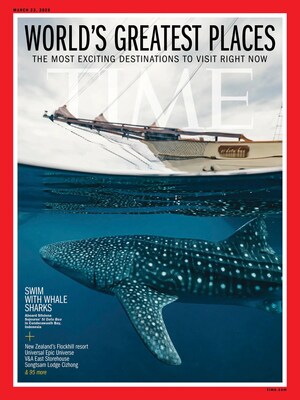
Each year, TIME compiles the list through nominations from its global network of correspondents and contributors, spotlighting destinations that offer distinctive travel experiences. FUFU Tokyo Ginza was recognized for its masterful fusion of traditional Japanese ryokan serenity and the dynamic energy of metropolitan Tokyo – creating a rare urban sanctuary in the heart of Tokyo.
Read the TIME feature here: Fufu Tokyo Ginza
See the full list here: The World's Greatest Places of 2026.
Opened in November 2025, FUFU Tokyo Ginza represents the brand's first property in a major metropolitan setting. Situated in the Ginza 1-chome district, Tokyo's historic hub of luxury and sophistication, the property reimagines urban hospitality by blending the timeless tranquility of a traditional ryokan with the pulse of modern city life.
At the core of FUFU Tokyo Ginza is the brand's guiding philosophy: 'A Place to Savor Time.' Amid Ginza's bustling streets, the hotel offers an intimate retreat designed to slow the pace of life. With only 34 guest rooms, each featuring a private garden and natural hot spring bath, guests enjoy a deeply personal experience rarely found in a global metropolis.
Every room includes a private onsen filled with mineral-rich hot spring water drawn directly from the original source at FUFU Atami, where the brand was founded. This signature experience brings Japan's revered onsen culture into the heart of the city, enabling guests to enjoy an authentic wellness ritual without leaving urban landscape.
The property engages all five senses through refined design and amenities. The Rooftop Lounge Yusora offers a tranquil escape above the skyline, complete with open-air footbaths surrounded by greenery, curated beverages, and sweeping views of Ginza. Complementing this are two exceptional dining venues:
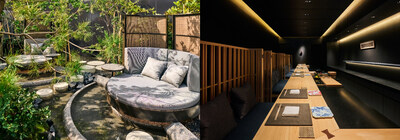
Thoughtful design incorporates natural materials, soft textures, and subtle lighting to evoke warmth and calm, an intentional contrast to Tokyo's typical steel-and-glass architecture. This approach fosters privacy and seclusion high above the city streets.
FUFU Tokyo Ginza is part of FUFU JAPAN brand, a portfolio of small luxury resorts in culturally and scenically rich destinations, including Hakone, Kyoto, Nara, and Kawaguchiko. Since its founding in 2007, the brand has been celebrated for harmonizing traditional Japanese sensibilities with contemporary luxury. Notably, seven FUFU properties have received Michelin Key distinctions for two consecutive years (2024 and 2025), more than any other Japanese hotel brands.
The inclusion of FUFU Tokyo Ginza in TIME's World's Greatest Places of 2026 underscores the brand's continued evolution and its ability to present authentic Japanese hospitality for a global audience. As international travelers seek meaningful, culturally grounded experiences, FUFU Tokyo Ginza stands out as a destination offering both immersion and escape in the center of one of the world's most dynamic cities.
Property Overview
Name: FUFU TOKYO GINZA
Address: Hulic Ginza Building, 1-7-10 Ginza, Chuo-ku, Tokyo
*Directly connected to Ginza-itchome Station (Exit 6) on the Tokyo Metro Yurakucho Line
Guest rooms: 34 rooms (11 types)
Rates: Quote per room for 2 persons (tax and service charge included; bathing tax and accommodation tax excluded)
From ¥115,000 / $747 (room only)
From ¥125,000 / $811 (with breakfast)
From ¥161,000 / $1045 (with dinner and breakfast)
*Note: USD amounts are approximate and subject to change depending on the exchange rate.
IN/OUT: 15:00 / 11:00
Official website: https://www.fufutokyo.jp/en/
Official Instagram: https://www.instagram.com/fufu_tokyo_ginza/
About FUFU JAPAN
Guided by the concept of "A Place to Savor Time," FUFU JAPAN is a small luxury resort brand with ten properties across Japan. Each FUFU resort offers natural hot-spring baths in every guest room, regionally inspired cuisine, and deeply personalized hospitality. Designed to provide privacy, comfort, and authentic cultural experiences, FUFU invites guests to experience Japan at a slower, more meaningful pace.
FUFU JAPAN Official Website: https://www.fufujapan.jp/en/
FUFU JAPAN Official Instagram: https://www.instagram.com/fufu_japan_official/
Photo - https://mma.prnewswire.com/media/2955636/Left_FUFU_Tokyo_Ginza_guest_room__Executive_Luxury_Corner_Suite.jpg
Photo - https://mma.prnewswire.com/media/2955637/c__Photograph_Matt_Dutile.jpg
Photo - https://mma.prnewswire.com/media/2955638/Left_Rooftop_Lounge_Yusora_Right_SUSHI_GINGA.jpg
Logo - https://mma.prnewswire.com/media/2955711/FUFU_TOKYO_GINZA_logo_Logo.jpg
 View original content:https://www.prnewswire.co.uk/news-releases/urban-onsen-sanctuary-fufu-tokyo-ginza-named-to-times-worlds-greatest-places-of-2026-302741538.html

Die Zürcher FDP setzt bei den Regierungsratswahlen 2027 konsequent auf Konzentration: Parteivorstand und Spitze wollen Nationalrat Andri Silberschmidt als einzigen offiziellen Kandidaten ins Rennen schicken. Der 31- beziehungsweise 32-jährige Unternehmer und Nationalrat soll den frei werdenden Sitz von Volkswirtschaftsdirektorin Carmen Walker Späh verteidigen und damit die bürgerliche Mehrheit in der siebenköpfigen Kantonsregierung sichern. Die formelle Nomination ist an der Delegiertenversammlung im Juni 2026 vorgesehen.
Silberschmidt, der seit 2019 im Nationalrat sitzt und zuvor im Zürcher Gemeinderat politisierte, positionierte sich bei seiner Vorstellung klar als wirtschaftsliberaler Kandidat. Der Kanton Zürich sei seine Heimat, hier habe er gewohnt, sein Unternehmen gegründet und seine „politischen Sporen abverdient“, sagte er. Priorität habe ein wirtschaftlich starker Kanton, in dem sich Unternehmen wohlfühlen. Als möglicher direkter Nachfolger für die Volkswirtschaftsdirektion nannte er neben Standortpolitik auch Verkehr, Sicherheit und Bildung als Schwerpunkte. FDP-Präsident Filippo Leutenegger beschreibt ihn als Vertreter einer zukunftsgerichteten, gesellschafts- und wirtschaftsliberalen Politik, der Eigenverantwortung, Unternehmertum und einen schlanken Staat betone und über Parteigrenzen hinweg Mehrheiten suchen könne.
Der Entscheid, zunächst nur mit einem Einerticket anzutreten, ist innerhalb des bürgerlichen Lagers umstritten. Politgeograf Michael Hermann bezeichnet das Vorgehen als verpasste Chance: Angesichts von sicher drei und bis zu fünf frei werdenden Sitzen in der Regierung sei der Verzicht auf eine aktive Rückeroberung des zweiten, 2019 an die Grünen verlorenen FDP-Sitzes ein „dürftiges Ziel“ für die traditionsreiche Kantonalpartei. Zumal der Sitz der Mitte-Partei als wacklig gilt, falls Regierungsrätin Silvia Steiner nicht mehr antreten sollte. Leutenegger verweist hingegen auf Risikomanagement: Man wolle „keine übermässigen Ansprüche stellen“, um nicht politisch „auf die Nase zu fallen“. Berichte, wonach potenzielle Kandidatinnen zuletzt mehrfach abgesagt hätten, verstärken den Eindruck eines strategischen Rückzugs auf die Kernaufgabe Sitzsicherung.
Für Spannungen sorgt der FDP-Kurs insbesondere bei der SVP. Kantonalpräsident Domenik Ledergerber spricht von einer Enttäuschung und wirft den Freisinnigen vor, den fünften bürgerlichen Regierungssitz faktisch kampflos preiszugeben. Er erinnert an die Kräfteverhältnisse vor 2019, als SVP, FDP und Mitte gemeinsam fünf der sieben Sitze hielten. Als Reaktion prüft die SVP nun, ihrerseits mit einem Dreierticket anzutreten. Gesundheitsdirektorin Natalie Rickli hat ihre erneute Kandidatur bereits angekündigt, zusätzliche Namen sollen von einer Findungskommission vorgeschlagen werden; die Delegiertenversammlung will im Juli über das Ticket entscheiden. Die FDP hält ihr langfristiges Ziel von zwei Regierungssitzen zwar aufrecht, will eine zweite Kandidatur aber nur dann lancieren, falls es ausserhalb des bürgerlichen Lagers zu einer Vakanz kommt – etwa wenn parteilose oder mitte-nahe Amtsinhaber nicht mehr antreten.